Steady Steps: Chair Yoga at Home for Ease and Poise
Prepare a Safe, Supportive Space
Choose the Right Chair
Prioritize stability over softness. A dining chair without armrests often allows freer movement through hips and spine, while a backrest offers helpful contact for posture feedback. Test the chair by gently rocking to ensure it does not tip. If floors are slick, place a non‑slip mat underfoot. Keep the seat height such that knees align near hip level, allowing feet to root flat and evenly. Feeling secure invites bolder balance attempts later, without sacrificing safety.
Safety Checks Before You Begin
Do a quick scan: Is the chair steady? Are obstacles, pets, or loose rugs out of the way? Can you reach a wall or tabletop for additional support? Keep movements pain‑free, favoring smaller ranges that invite warmth instead of strain. If dizziness appears, pause, breathe, and re‑ground. Hydrate before and after. Identify an exit strategy—like sitting immediately or holding the backrest—so your nervous system relaxes, knowing support is always within reach.
Gentle Warm-Up to Wake Joints and Breath
Breath-Led Arrival
Place both feet heavy, lengthen the spine, and imagine breathing wide into the ribcage. Let exhales descend through the pelvis, softening unnecessary tension. On inhales, grow tall without stiffening; on exhales, settle and ground. Match small shoulder rolls and gentle neck arcs to slow counts, noticing sensations rather than chasing ranges. This breath‑movement pairing centers attention, reduces anxious bracing, and sets a dignified rhythm that carries calmly into all subsequent balance and mobility drills.
Neck, Shoulders, and Upper Back Ease
Keep the chin level as you gently turn the head side to side, pausing at comfortable limits and breathing into any tightness. Add small nods and ear‑to‑shoulder tilts. Roll the shoulders forward and back, letting the breastbone lift without flaring ribs. Slide hands along thighs to guide a seated cat‑cow, awakening the thoracic spine. You are teaching your body to explore without fear, reminding tense muscles that support comes from coordinated, fluid motion, not rigid gripping.
Ankles, Knees, and Hips Wake-Up
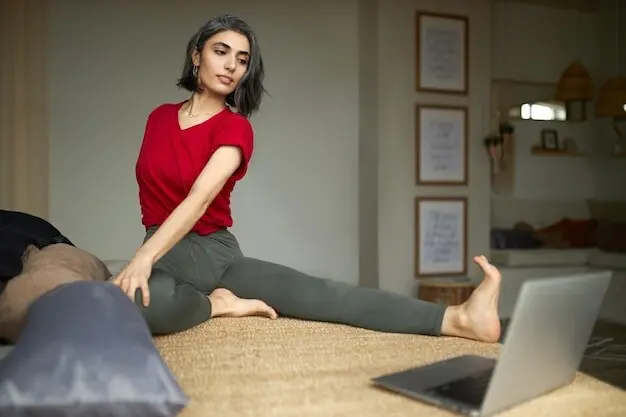
Extend one leg, circle the ankle slowly, then flex and point with control. Alternate sides, noticing asymmetries compassionately. March lightly in place while seated, feeling hip sockets glide. Slide one heel forward, hinge at the hips, and lengthen the hamstrings gently, returning upright on the breath. These micro‑movements prime proprioception and circulation, helping joints feel hydrated and awake. By focusing on quality, you will enter standing or balancing drills with dependable readiness and a refreshed sense of coordination.
Balance Builders with Steady Support
Sit-to-Stand Progressions
Assisted Single-Leg Balance
Seated Weight Shifts and Reaches
Mobility Flows You Can Repeat Daily
Strength That Protects Every Step
Recover, Reflect, and Stay Connected