Stronger Abs and Glutes, One Couch Interval at a Time
Welcome! Today we dive into couch-based interval training for core and glute activation. Using structured work and rest near your sofa, you’ll learn safe setups, progressions, and motivating rhythms that fit busy days, build resilience, and turn everyday furniture into a surprisingly effective training partner. Share your favorite intervals, questions, and wins with our community, and let’s celebrate strength built between cushions and coffee breaks.
Set Up for Success on the Sofa
Warm-Up Without Leaving the Living Room
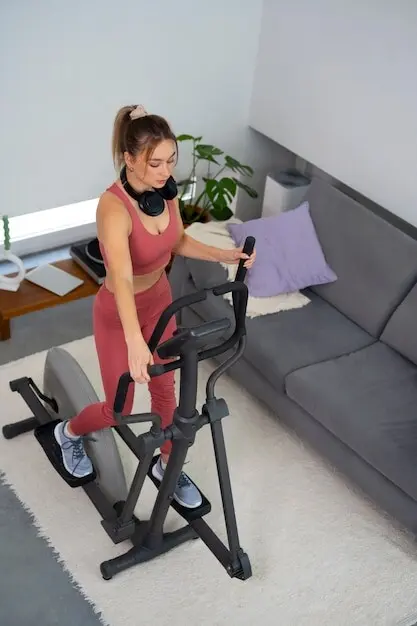
Ease into movement with marching in place, hip circles, cat–cow on all fours, and ankle rolls while steadying a hand on the couch if balance wobbles. Add gentle glute squeezes and diaphragmatic breaths to wake the core. These simple patterns elevate temperature, increase joint lubrication, and remind your nervous system you’re safe, supported, and ready to work without stepping outside or searching for equipment.
Couch Positioning and Alignment Checks
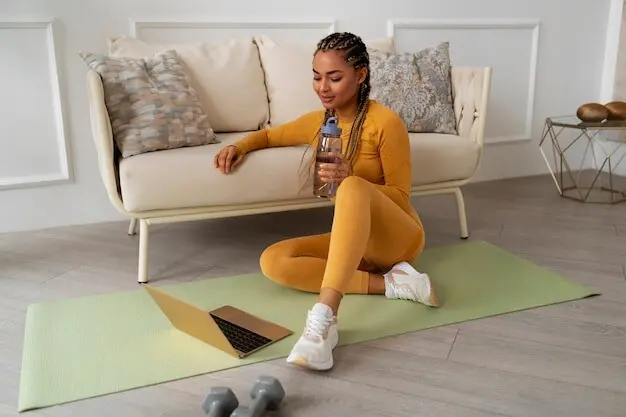
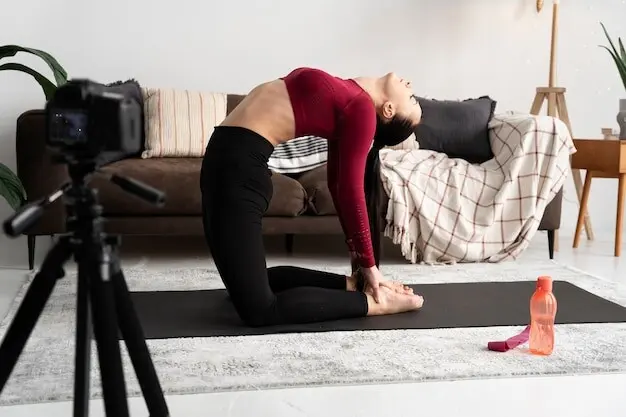
Slide the couch slightly from the wall if needed, ensuring you can place shoulders on the edge for hip thrusts or forearms on the armrest for incline planks. Test that cushions won’t shift under pressure. Keep knees tracking over mid-foot, ribs stacked over pelvis, and chin tucked long. These checks reduce slipping, protect joints, and help every rep target the muscles you actually intend to train.
Breathing and Bracing Basics
Inhale through the nose to expand lower ribs and belly, then exhale gently through pursed lips while drawing the pelvic floor and deep abdominals upward like a quiet elevator. This brace stabilizes the spine without rigid tension. Pair breaths with effortful phases of each interval, letting oxygen guide rhythm. Over time, coordinated breathing improves endurance, reduces neck strain, and makes your midsection feel meaningfully connected to the work.
Intervals That Fit Real Life
Beginner-Friendly 30/30 Circuit
Rotate through glute bridges, incline planks on the armrest, and elevated dead bugs with heels on cushions for thirty seconds each, resting thirty seconds between efforts. Aim for three to four rounds. Use a talk test or light breath challenge to confirm you’re working, not overreaching. This gentle ratio builds skill, coordination, and confidence while keeping sensations friendly so tomorrow’s return feels like a promise, not a punishment.
Steady Power with 40/20 Blocks
For a stronger push, perform forty seconds of hip thrusts, side-lying clams with heels pressing into the couch, and reverse plank holds, each followed by twenty seconds rest. Keep technique crisp as fatigue arrives, especially knee alignment and pelvic control. The added intensity stimulates muscular endurance and wakes slower-to-fire fibers without sprawling equipment everywhere, proving a living room can host genuinely challenging, focused sessions that respect your time and attention.
Mini-Tabata When Time Is Tight
Use four minutes total: eight rounds of twenty seconds work and ten seconds rest, alternating glute bridge pulses with hollow-body tucks anchored by toes against the couch base. It’s brief but potent. Focus on quality, not frantic speed. Keep a small posterior pelvic tilt to prioritize abs and glutes, and end with a deep breath reset. This format rescues consistency on chaotic days without sacrificing meaningful training intent or structure.
Core Engagement You Can Actually Feel
A responsive core supports hips and lower back through breath, brace, and controlled movement. Using the couch for elevation or feedback helps identify where tension should live and where it should not. Expect subtle refinements—small pelvic tilts, slower eccentrics, and steady exhales—to unlock big improvements. When the torso stabilizes instead of gripping, every glute-driven motion feels smoother, safer, and more powerful through your entire range of everyday activities.
Posterior Pelvic Tilt Primer
Lie on the floor with calves resting on cushions. Gently tuck the pelvis so the lower back kisses the floor, then release without overarching. Alternate slow reps, syncing the tuck with a steady exhale. This drill teaches abdominal contribution to pelvic position, reducing compensatory back extension during bridges and thrusts. Expect subtle shaking at first—that’s coordination improving as deep stabilizers learn their supportive, load-sharing roles within each interval.
Dead Bug with Couch Support
Place shins on the seat so hips and knees form right angles. Brace softly, then lower opposite arm and heel toward the floor without losing rib position. Move slowly through comfortable range. The couch makes setup effortless and alignment repeatable. Over sessions, you’ll notice improved cross-body control, calmer neck and hip flexors, and clearer cues for what an engaged midsection feels like during both static holds and dynamic intervals.
Incline Plank on the Armrest
Set forearms on the armrest, step feet back, and create a long line from ears to heels. Exhale to engage lower ribs and glutes, avoiding sagging or piking. The incline reduces wrist and shoulder stress while encouraging clean bracing habits. Hold in intervals, or add shoulder taps if stable. Expect a challenging yet approachable entry into anti-extension strength that translates beautifully to bridges, thrusts, and everyday lifting mechanics like groceries.
Glute Activation You’ll Notice When You Stand
Powerful hips change how you climb stairs, carry bags, and stabilize knees. The couch supports precise positions so glutes can dominate without back takeover. Expect deliberate setups, clean knee tracking, and even foot pressure. With consistent intervals, you’ll feel stronger lockouts, steadier single-leg stance, and easier posture resets during long sitting days. The goal isn’t soreness; it’s accessible strength that shows up in small, satisfying ways across ordinary moments.
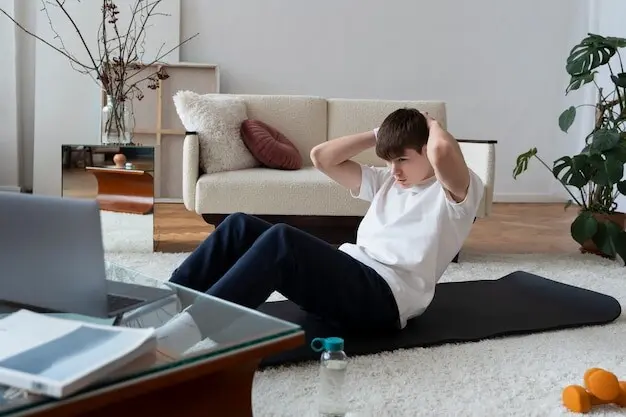
Progressions, Variations, and Minimal Gear
When consistency arrives, gradually increase challenge with tempo manipulations, unilateral work, small elevation changes, or light resistance like mini-bands and cushions. The aim is smarter, not merely harder. Thoughtful tweaks keep effort targeted while protecting joints and attention. One useful test: movement quality should improve as intensity rises. If positions crumble, scale back gracefully. Sustainable progress comes from curiosity, patience, and well-timed nudges that your body eagerly accepts and retains.
Tempo and Range Mastery
Try three seconds down, one second pause, and one second up on bridges, or add isometric holds at the top of thrusts. Explore slightly reduced or expanded ranges as mobility allows, keeping tension where you want it. Longer eccentrics teach control, while pauses sharpen mind–muscle connection. These invisible load changes can feel surprisingly potent, offering progression without cluttering your space or sacrificing the delightfully convenient couch-centered setup you already trust.
Mini-Bands, Pillows, and Smart Constraints
Loop a mini-band above knees to encourage outward pressure during bridges and clams, or hug a pillow lightly between thighs to refine adductor and core coordination. Use the couch arm as a consistent height marker. These gentle constraints prevent wandering knees and drifting ribs, helping you repeat high-quality reps. Minimal additions deliver major payoff by guiding attention toward the exact muscles intended, making every interval minute count with undeniable clarity.
Unilateral and Anti-Rotation Challenges
Elevate one foot slightly on the couch for staggered-stance bridges, or extend arms overhead during hip thrust holds to increase torso demand. Fight rotation by keeping hip bones level and ribs quiet. These variations teach hips to produce force while the core resists twist. Expect fewer reps but deeper focus. Record small improvements—steadier pelvis, smoother breathing, cleaner lockouts—to build momentum that carries into walking, carrying, and playful weekend adventures.
Recovery, Consistency, and Joyful Momentum
Recovery cements gains. Gentle hip flexor stretches off the couch edge, easy open-book twists, and slow nasal breathing downshift the system, nurturing tomorrow’s effort. Consistency thrives on tiny rituals: placing the timer on the coffee table, queuing a favorite playlist, leaving a mat rolled out. Protect rest days. Celebrate streaks. When training feels like a friendly appointment with your living room, progress becomes pleasantly inevitable and motivation stays generously replenished.